
eBook





Paperback

AudioBook

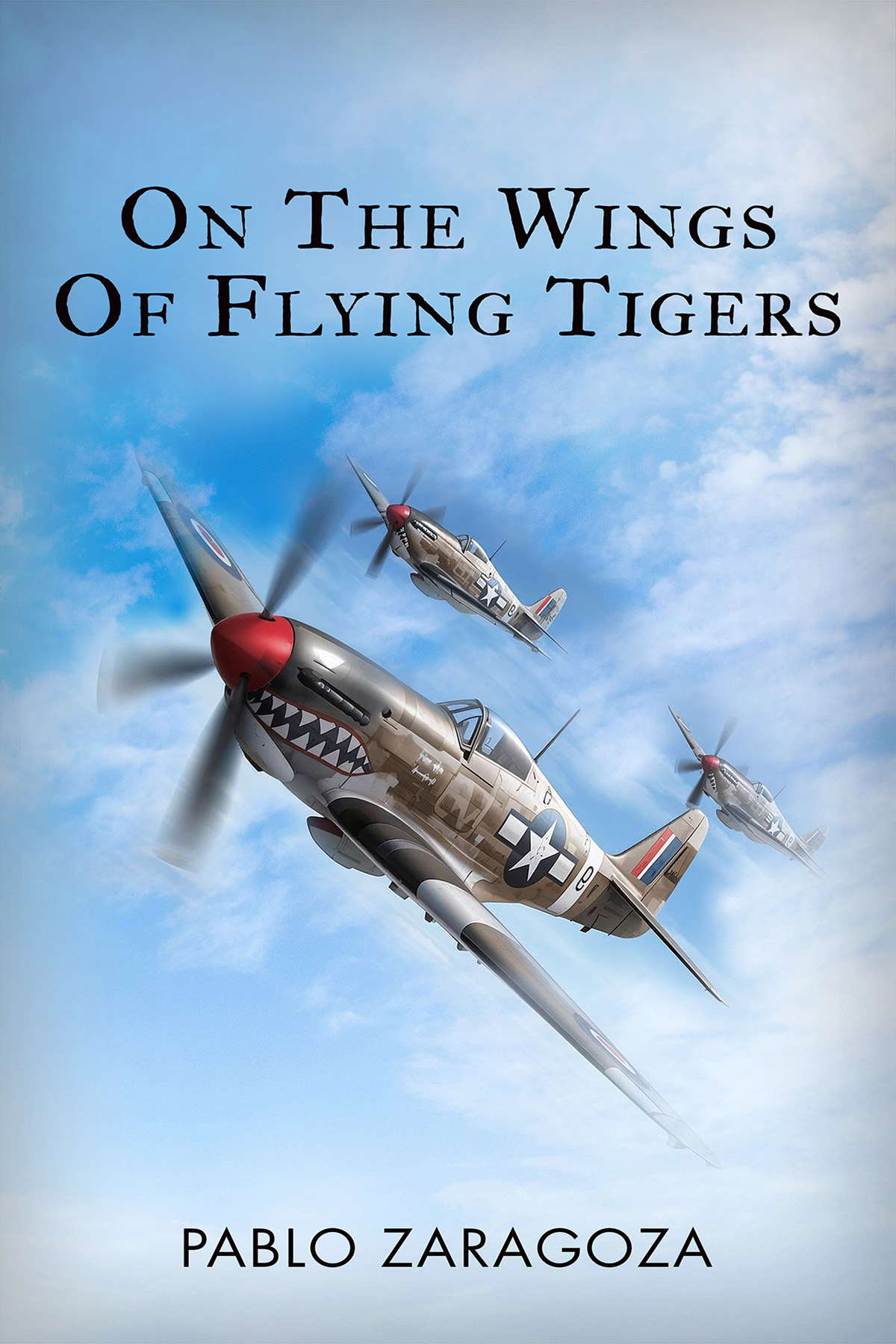
On The Wings Of Flying Tigers
World War II Historical Fiction
Albert Delacour has always longed to fly. Growing up on a modest farm in the backwoods of north central Florida, his fascination with the sky first takes root when he witnesses the daring stunts of a 1930s flying circus. That passion deepens when his uncle gifts him the pieces of a one-man plane to build—his first real step toward the freedom of the clouds.
But dreams come at a cost. Determined to serve and soar, Albert joins the military, enduring grueling hardship and sacrifice as he rises through the ranks. His journey eventually takes him halfway around the world, where he becomes part of the legendary Flying Tigers—an American volunteer group fighting under the Chinese Army’s banner during World War II.
In the cockpit, Albert finds the freedom he’s always sought. Yet every mission tests not only his courage but his very sense of self, reminding him that true freedom often demands the highest price.
Reviews
Literary Titan Review – January 26, 2026

I finished On the Wings of Flying Tigers with the feeling that I’d spent time inside a long oral history, one that never quite lets you forget the human cost behind aviation heroics. The novel follows Albert Delacour, a Florida farm boy who teaches himself to fly, enters the Army Air Corps, and is eventually drawn into the early, morally tangled days of American involvement in China before World War II. The book traces his journey from rural poverty and racial hostility through military discipline, engineering ingenuity, romance, and finally into the shadow-world that produced the Flying Tigers.
The narration is plainspoken, often blunt, and feels personal. Delacour doesn’t romanticize hardship, but he doesn’t apologize for toughness either. There’s a rawness to the farm scenes, the training sequences, and the military bureaucracy that feels authentic. The book lingers on details others might skim like hands black with oil, the humiliation and humor of boot camp, the odd intimacy between men being shaped into weapons, and that accumulation gives the story weight.
I also found the book’s moral center more interesting than its aerial combat. This is less about dogfights than about choosing sides before history has made them obvious. Delacour’s frustration with American isolationism, his admiration for Chennault, and his growing certainty that neutrality can be a form of cowardice give the novel its tension. The romantic subplots, especially Betty, are messy, but that messiness works. Love here is not a reward for bravery; it’s another risk, often poorly timed.
On the Wings of Flying Tigers will appeal most to readers of historical fiction, military fiction, and aviation fiction, especially those who prefer character-driven war stories over battlefield spectacle. Fans of W.E.B. Griffin or readers who admire the grounded immediacy of The Things They Carried may recognize a similar insistence that history is lived by imperfect people, not myths. In the end, On the Wings of Tigers isn’t a polished legend of flight; it’s a rough, earnest account of how conviction gets airborne, one risky decision at a time.


